
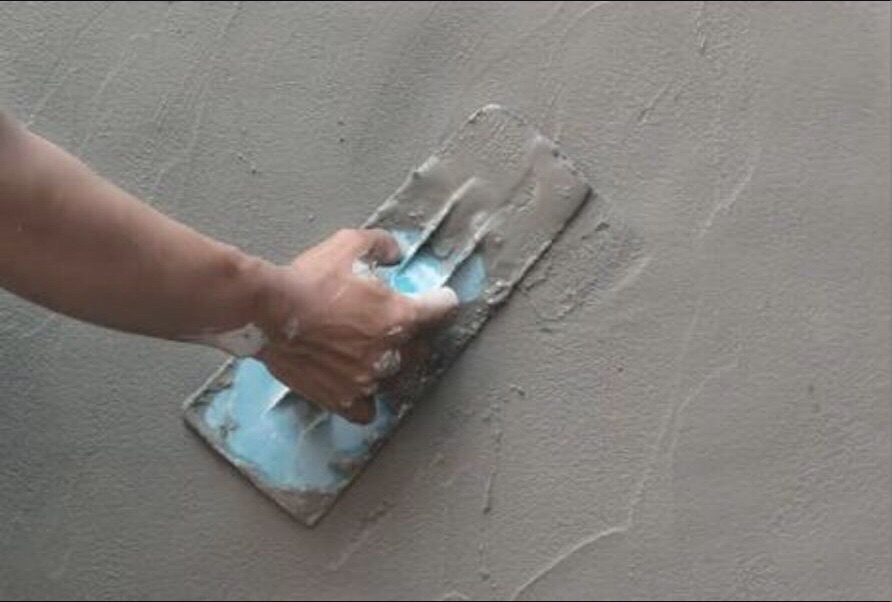
Render vs Plaster: What’s the Difference?
Render is a tough, weather-resistant coating made from cement, sand and lime, or acrylic, and it’s designed for exterior walls. Plaster is a finer, smoother material, usually gypsum based in Australia, and it’s used to finish interior walls and ceilings ready for painting. In short, render goes outside and plaster goes inside. Below, we explain how they differ in materials, strength and finish, and which one suits your project.
What is Render?
Render refers to a plaster-like material that is applied to the exterior of a building to provide a smooth, even surface. Render can be made from a variety of materials, including cement, lime, and acrylic, and is often reinforced with fibreglass or other additives. The purpose of render is to protect the underlying brick or blockwork from the elements and to improve the aesthetic appearance of the building. Render can be coloured or textured to achieve a variety of finishes, and is a popular choice for both new construction and renovation projects.
Render vs Plaster: Interiors Are Plastered, Exteriors Are Rendered
This is the key difference. Interiors are usually finished using plaster, while exteriors surfaces use cement render. While both are trowel-applied wall finishes, the materials differ. Render is cement or acrylic based, while most interior plaster in Australia is gypsum based.
Finer sand is used to achieve a smoother finish and smoother surfaces in internal plastering, and usually less sand is used overall. When applied to a flat surface, the coat of plaster gives an extremely smooth finish, so it’s perfect for interior wall surfaces.
Cement rendering involves a much higher proportion of sand for additional strength. The sand is also usually much more coarse, which helps increase the strength of the cement render. The render finish coat is, correspondingly, a bit more rough and “rustic.” It’s ideal for exteriors – but the rougher appearance is not appropriate for most internal walls and ceilings. Mortar coatings like cement render are specifically formulated for exterior walls to provide durability.
Related article: What type of render should I use? Cement or acrylic?
Cement Render Is Made Specifically For High Strength And Weather Resistance
The other major difference between plaster vs cement based render is that most premixed renders come with special compounds and polymers which enhance their strength and water resistance. These additives also usually help the render resist chipping or develop cracks from impacts.
Because plaster is not exposed to exterior conditions, these additives are not present in interior plastering products. Plaster materials are designed to provide a smooth surface for decorating and do not require the same weather resistance as cement render.

What Are The Benefits Of Cement Render?
So, should you use cement render to renovate your older buildings? Applying render to your home can have a number of great benefits. If you have a home with stone or brick walls, cement render is a great way to restore its appearance if the underlying structure has become weathered or unsightly.
There are also a huge number of different finishes available. From smoother render that uses fine sand, to render with exposed pebbles and coarse sand, as well as other styles, you can always find a cement render that will make your home look beautiful.
Cement render is also extremely durable and tough and can help protect the underlying building structure from the elements, when properly applied. It’s waterproof and fire resistant, and it provides another layer of insulation – which could help lower your energy bills.
Can you plaster over cement render?
Yes, you can plaster over cement render, and it is a common way to turn a rough rendered surface into a smooth interior finish ready for painting. The render needs to be sound, clean and fully cured first, with any cracks or damaged areas repaired before you start.
The key to a lasting result is adhesion. Because cement render is dense and can be quite absorbent, most plasterers apply a bonding agent or a PVA primer to the surface first. This controls the suction, helps the plaster grip and stops the skim coat drying too fast and cracking.
The plaster is then applied as a thin skim coat, usually around 1 to 3mm and built up in two light layers rather than one thick pass. Each coat is smoothed and flattened, with the final coat polished to a clean, even finish. Done well, it hides the texture of the render completely.
This is skilled work, and a poor skim will show every imperfection. If you want a flawless finish over your rendered walls, our team can prepare and plaster the surface properly. Call us on 0402 283 119.
Common Mistakes to Avoid When Rendering or Plastering
Whether you’re tackling a renovation project or overseeing new construction, getting the application right is just as important as choosing the right material. Even the best-quality cement render or plaster can fail if it’s not applied correctly. Here are some of the most common mistakes homeowners and contractors make, and how to avoid them.
1. Using the Wrong Product for the Surface
One of the most frequent errors is using interior plaster on exterior walls, or vice versa. As we’ve covered above, plaster and cement render are formulated for very different environments. Applying plaster to an exterior surface exposes it to moisture and weather conditions it simply isn’t designed to handle, leading to premature cracking, bubbling, and deterioration. Always make sure you’re using the right product for the right surface.
2. Skipping Surface Preparation
Proper surface preparation is the foundation of a long-lasting render or plaster job. Applying render to a dirty, dusty, or overly smooth surface can prevent it from bonding correctly, causing it to peel or fall away over time. Before any application, ensure the surface is:
- Clean and free of dust, grease, or loose debris
- Structurally sound with no crumbling areas
- Treated with a bonding agent where necessary to improve adhesion
3. Applying Coats That Are Too Thick
It can be tempting to try to build up a finished surface in a single, thick coat to save time. However, applying render or plaster too thickly in one go significantly increases the risk of cracking as the material dries and shrinks. For best results, work in thin, even layers, allowing each coat to cure properly before applying the next.
How Many Coats Should You Apply?
As a general guide:
- Cement render typically requires 2–3 coats: a scratch coat, a base coat, and a finish coat
- Plaster is usually applied in 2 coats: an undercoat and a finishing coat
4. Not Accounting for Weather Conditions
Cement render is particularly sensitive to extreme weather during application and curing. Applying render in direct sunlight or high temperatures can cause it to dry too quickly, resulting in surface cracks. Equally, rendering in cold or freezing conditions can prevent the material from curing properly. Aim to work during mild, dry weather conditions, and protect freshly applied render from direct sun or rain where possible.
5. Neglecting to Cure the Render Properly
Curing is a critical step that is often overlooked. After application, cement render needs adequate time and moisture to cure and reach its full strength. Allowing it to dry out too quickly especially in hot or windy conditions can weaken the final surface.
Tips for Proper Curing
- Lightly mist the render with water during the first few days after application
- Avoid applying render in direct sunlight or strong wind
- Allow a minimum of 24–48 hours between coats before proceeding
6. Attempting a DIY Job Without the Right Experience
While there are plenty of DIY guides available online, cement rendering and plastering are skilled trades that take years to master. Poor application can result in an uneven finish, structural weaknesses, and costly repairs down the line. For anything beyond minor touch-ups, it’s always best to call in a professional rendering team (like the experts at Zaks Render) to ensure the job is done right the first time.
Interested In Learning More? Contact Zaks Render Right Away!
Now that you know the difference between rendering and plastering, are you curious to learn more? Zaks Render is the leading cement rendering company in Sydney. We have experience with rendering projects of all types and we can perform both exterior rendering and interior plastering. If you’d like to see some of our work, check out our past projects now.
We understand the importance of using only the highest quality rendering materials to ensure that our clients receive the best possible results.
Want to learn more about the benefits of cement render, and get a quote for your home or building? Contact us online now, or give us a call at 0402 283 119. We’re always happy to hear from potential customers!
Frequently Asked Questions
What’s better for exterior walls: render or plaster?
Render. It’s made with coarser sand, cement and additives that resist rain, UV and impact, while plaster is designed for dry interior walls.
Can I use plaster outside instead of render?
No. Interior plaster absorbs moisture and breaks down when exposed to rain and weather. Exterior walls need a render designed for outdoor conditions.
How long does cement render last compared to plaster?
Well-applied cement render can last for decades on exterior walls with repainting and minor repairs along the way. Interior plaster also lasts for decades, but it isn’t made to handle outdoor exposure.
Is rendering easier than plastering?
Neither is easy. Plastering needs a perfectly flat, smooth finish, while rendering involves heavier multi-coat work, careful timing around the weather and often scaffolding. Both are skilled trades.
What are the disadvantages of rendering?
Render can crack if the wall moves or it’s poorly applied. It needs repainting over time, and it’s difficult to remove once applied. Cement render is also less flexible than acrylic render.
-

How to Get a Professional Looking Finish with Cement Rendering
The weather in Australia can be harsh. From scorch
-

How To Cement Render A Garden Wall
Interested in a new render finish for your garden
-

Can You Render Over Timber or Wood?
Yes, but never directly onto the wood. Timber move