
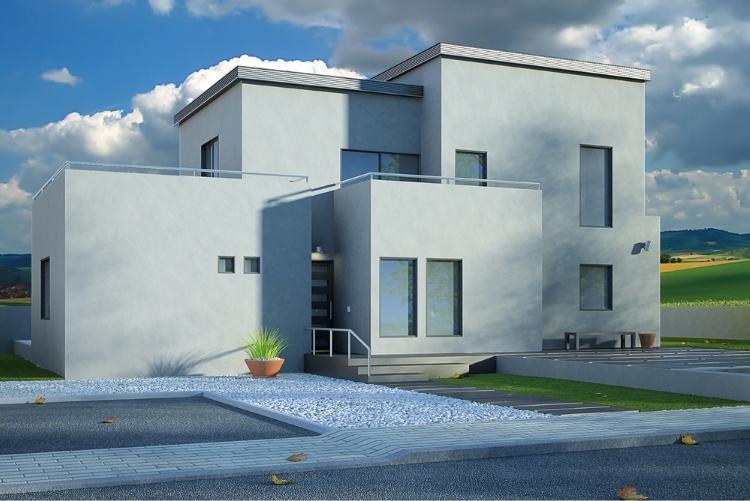
What Are the Benefits of Cement Rendering?
Your house’s facade is the first thing people see. If the exterior walls are decaying, then the overall value will be affected as well, no matter how well designed or high-tech the interior might be. But, with the hot and arid Australian summers and humid winters, your walls become prone to cracking. Cement rendering might be a good solution to keeping your exterior walls looking good and increasing your home’s curb appeal.
Let’s take a look at what cement rendering is and the benefits it brings.
What Is Cement Rendering?
A render is a mixture of cement that is applied to walls. We will begin by saying that there are several different types of house rendering, such as acrylic rendering, cement rendering, clay rendering, and so on. The type of render you use will affect how the exterior finish will look like. If you use more coarse sand in the mixture, for example, the result will be a more textured finish. A rendered finish can significantly enhance the aesthetic appeal of a home.
Cement rendering is the application of a mixture of cement, sand, and lime. It’s a more cost-effective type of render and care must be taken during application as it can crack quickly if it’s done wrong. Quality cement renders require precision to ensure durability and aesthetic appeal.
How Cement Rendering Works
The cement rendering process begins with thorough wall preparation to ensure strong adhesion and a lasting finish. The surface must be cleaned of dust, grease, and loose paint, then lightly dampened to help the render bond properly. A base coat of cement render typically made from a mix of cement, sand, and lime is then applied with a trowel to create an even foundation. Depending on the desired thickness and wall condition, one or more additional coats are added, each allowed to partially set before the next is applied to prevent cracking or delamination. The final coat determines the texture and appearance, whether smooth, coarse, or patterned, and can be left natural or finished with paint or sealer for added protection.
Throughout the process, it’s important to keep the render slightly damp while curing to ensure gradual drying and maximum strength. When done correctly, cement rendering not only enhances a building’s appearance but also forms a durable, weather-resistant barrier that protects exterior walls from moisture, UV rays, and general wear over time.
The Benefits of Cement Rendering
Here’s why you should consider cement rendering:
Increases the Lifespan of Your Exterior Walls
The exterior of your home is exposed to the elements. The sun, wind, and rain can cause severe damage to your walls over time. A coat of cement render will protect them against the elements and help increase their lifespan.
Improves the Aesthetic of Your Home
Adding a fresh coat of paint every year to maintain the curb appeal of your home can be quite expensive. Applying cement render is a cost-effective home improvement trick that can instantly improve the appeal of your house. You can also use cement rendering to add texture to the exterior walls and add a stylish touch to your home’s design. Render offers an affordable way to elevate the look of your property.
Increases the Energy Efficiency of Your Home
Cement rendering will not only improve the aesthetic of your home but also increase its efficiency. By rendering, you are adding a coat of insulation to your home that will prevent the heat or cold from escaping the walls during winter and summer which is a perfect option to reduce your energy bill.
Increases Your Property’s Value
As mentioned before, the exterior of your home is the first thing people notice and if it looks unkempt, then that may affect their overall impression of your property. A renderer finish will give your home a nicer look and tell prospective buyers that this house is well cared for.
Are There Any Downsides to Cement Rendering?
While cement rendering offers many benefits, it is important to understand its limitations before making a decision.
Cement render is more rigid than modern acrylic or polymer-based systems. Because of this, it can be prone to cracking if the building experiences structural movement or if it is not applied correctly. Proper surface preparation, expansion joints, and controlled curing are essential to reduce this risk.
Cement render also requires a longer curing time compared to acrylic render. It can take up to 28 days to fully cure before painting or sealing, which may extend project timelines.
Maintenance is another factor to consider. Although durable, cement render may need occasional patch repairs over time, particularly in areas exposed to extreme weather conditions.
Despite these considerations, when professionally applied and properly maintained, cement render remains a reliable and cost-effective solution for many residential and commercial properties.
How long does it take to render a house?
Cement rendering an average-sized house exterior usually takes around five to seven days, or roughly a week, for a professional team. A single wall on its own generally takes one to two days. The timeframe depends on the size of the home, the number of storeys, the condition of the walls and the weather during application.
It is worth separating the application time from the curing time. The hands-on rendering may only take a week, but cement render then needs around 28 days to fully cure before it is painted. Rushing this stage is one of the most common causes of cracking and paint failure.
Several things can extend the job. Extra surface repairs, difficult access needing scaffolding, intricate detailing and wet or very hot weather all add time. Acrylic render systems are quicker to apply, often one to two weeks for a full house, but suit different situations.
For a clear timeline on your specific home, our team can assess the walls and give you an honest schedule. Call us on 0402 283 119.
Common Mistakes When Applying Cement Render
As outlined above, cement render is a cost-effective and durable option for exterior walls, but it does require care and precision during application. Here are the most common mistakes to avoid to ensure a long-lasting, professional result.
1. Inadequate Surface Preparation
Failing to prepare the wall properly before rendering is one of the most frequent causes of render failure. Dust, grease, loose paint, and crumbling material all prevent the render from bonding correctly to the surface. Before any render is applied, the wall must be thoroughly cleaned, structurally sound, and lightly dampened to improve adhesion. Skipping this step is a reliable way to end up with a finish that cracks, peels, or falls away prematurely.
2. Getting the Mix Wrong
Cement render requires a precise mix of cement, sand, and lime to perform as intended. Too much water weakens the mix and increases the likelihood of shrinkage cracking as it dries. Too little water makes the render difficult to work with and can result in poor bonding between coats. Always follow the recommended mix ratios and resist the temptation to adjust the consistency for the sake of convenience.
3. Applying Coats That Are Too Thick
Trying to build up the full render thickness in a single coat is a common mistake, particularly for those new to rendering. Thick coats are far more prone to cracking as they dry and shrink, and the added weight can strain the bond with the wall. Cement render should always be applied in thin, even layers, with each coat allowed to partially set before the next is added.
4. Skipping the Scratch Coat
The scratch coat is a critical step that is sometimes overlooked in the interest of saving time. Once the first coat has been applied, scoring it with a comb or scratcher creates a textured surface that gives the next coat something to grip. Without this step, the subsequent coat is far more likely to delaminate or separate over time.
5. Rendering in Poor Weather Conditions
Cement render is highly sensitive to weather during both application and curing. Applying render in direct sunlight or high temperatures causes it to dry too quickly, leading to surface cracking and weak adhesion. Cold or wet conditions can prevent the render from curing properly altogether. Always aim to render during mild, dry weather, and protect freshly applied render from rain, wind, and direct sun where possible.
Ideal Conditions for Applying Cement Render
- Temperatures between 10 and 30 degrees Celsius
- Low to moderate humidity
- No rain forecast for at least 48 hours after application
- Sheltered from direct sunlight and strong wind where possible
6. Not Curing the Render Properly
Proper curing is just as important as the application itself, yet it is frequently neglected. Cement render needs to retain moisture during the early stages of curing in order to develop its full strength. Allowing it to dry out too quickly, particularly in hot or windy conditions, results in a weaker surface that is more prone to cracking. Lightly misting the render with water during the first few days after application helps slow the drying process and significantly improves the long-term durability of the finish.
7. Painting Too Soon
One of the most common errors made after rendering is painting the surface before it has fully cured. As noted above, cement render can take up to 28 days to cure completely. Applying paint too early traps moisture beneath the surface, which can cause bubbling, peeling, and poor adhesion. Always allow the full curing period before applying any paint or sealer.
8. Attempting the Job Without Sufficient Experience
Cement rendering is a skilled trade that requires practice, the right tools, and a thorough understanding of materials and technique. Poor workmanship can result in an uneven finish, structural weaknesses, and costly repairs down the line. For any significant rendering project, engaging an experienced professional is always the most reliable way to achieve a result that will stand the test of time. The team at Zaks Render has the expertise to handle projects of all sizes, ensuring a high-quality finish every time.
We Can Help
If you are looking for a professional rendering company in Sydney for your residential or commercial space, then you’ve come to the right place. Hiring a professional will ensure that the job will be done correctly, in a timely manner, and that the result will exceed your expectations.
Frequently Asked Questions
Does cement rendering improve the look of my home?
Yes. It creates a clean, modern finish and can be textured or smoothed to suit your style. It is an affordable way to upgrade your home’s street appeal.
Can cement rendering increase property value?
A well rendered home looks cared for and can create a strong first impression for buyers, which may help increase the value of your property.
Can any home be cement rendered?
Most modern homes are suitable. Older homes or heritage buildings may need different materials, such as lime render, to allow the walls to breathe.
How long does cement rendering last?
When applied correctly and maintained properly, cement rendering can last for decades, providing long term protection for exterior walls.
Does cement render crack over time?
Cement render can develop cracks if not applied correctly or if the building moves. Proper preparation, correct curing, and professional application greatly reduce this risk.
Get in touch with us now.
-

What Paint To Use For Cement Render
Cement render is such a great addition to any hous
-

How To Cement Render A Garden Wall
Interested in a new render finish for your garden
-

Can You Cement Render Over Timber
If you’re looking to restore the interior or ext