
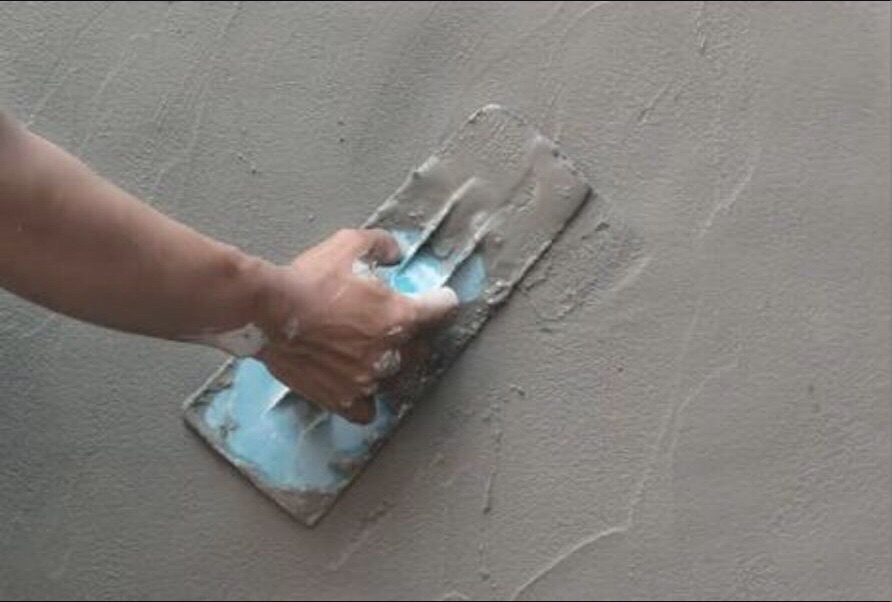
Pre- or Post-Mix | What’s the Difference?
When planning a rendering project, one of the most common questions is whether to use pre-mix or post-mix render. While both options are designed to create a durable and attractive finish, they differ in preparation, consistency, and application method.
Understanding the difference between pre-mix and post-mix render can help you choose the right solution for your home or project.
What Is Pre-Mix Render?
Pre-mix render comes in bags and is pre-blended by the manufacturer. It typically contains cement, sand, and additives already measured to ensure consistent quality. All that is required on site is the addition of water before application.
Benefits of Pre-Mix Render
- Consistent mix ratio every time
– Reduced preparation time on site
– Easier quality control
– Ideal for small to medium projects
Because the ingredients are professionally blended, pre-mix render reduces the risk of incorrect ratios that can affect strength and durability.
When Is Pre-Mix Suitable?
Pre-mix is often recommended for residential projects where consistency and efficiency are important. It is particularly useful for renovations or smaller exterior upgrades.
What Is Post-Mix Render?
Post-mix render is mixed on site by combining sand, cement, and sometimes lime or other additives. The proportions are measured and blended manually before water is added.
Benefits of Post-Mix Render
- Greater flexibility in mix ratios
– Can be customised for specific substrates and surfaces
– Suitable for large scale projects
– Cost effective for bulk applications
Experienced tradespeople may prefer post-mix because it allows them to adjust the blend depending on weather conditions, substrate type, or desired finish.
When Is Post-Mix Suitable?
Post-mix is often used on larger construction projects or when a customised render blend is required.
What is the correct render mix ratio?
A standard render mix is usually around 6 parts sand to 1 part cement and 1 part lime, often written as 6:1:1. For exterior walls that need more strength, a slightly richer 5:1 sand to cement mix with added lime is common. The lime is what makes the difference, improving workability and adding flexibility that helps reduce cracking as the wall moves.
The ratio also changes coat by coat. The base or scratch coat is mixed slightly stronger for grip, and each following coat is made a touch weaker with a little more sand. This keeps every layer no stronger than the one beneath it, which helps the render cure evenly and bond properly.
The sand matters just as much as the ratio. Clean, fine rendering or plastering sand is essential, as building sand or sand with impurities leads to shrinkage and cracking. This flexibility to fine-tune the ratio, sand and additives for the conditions is exactly why many professionals prefer post-mix render for demanding jobs.
If you want your render mixed and applied correctly for a lasting finish, our experienced team can handle it. Call us on 0402 283 119.
Key Differences Between Pre-Mix and Post-Mix
Consistency
Pre-mix offers factory controlled consistency. Post-mix relies on the skill and accuracy of the installer.
Preparation Time
Pre-mix saves time because it only requires water on site. Post-mix involves measuring and blending raw materials before use.
Customisation
Post-mix allows greater flexibility in adjusting the ratio for different finishes or weather conditions. Pre-mix follows a set formula.
Project Scale
Pre-mix is often practical for smaller residential projects, while post-mix may be more economical for larger builds.
Which Option Is Better?
There is no one size fits all answer. The best choice depends on your project size, budget, and desired finish. Both pre-mix and post-mix can deliver excellent results when applied correctly.
At Zaks Render, we assess each project individually to determine the most suitable rendering method, and our cement rendering repairs team is also on hand if existing render needs attention before a new application. Whether it involves a standard residential home or a larger development, our focus is on durability, consistency, and a high quality finish suited to Australian conditions.
Final Thoughts
Choosing between pre-mix and post-mix render comes down to control, flexibility, and project requirements and for a decorative finish, our acrylic render service offers an excellent modern alternative. Pre-mix offers convenience and consistency, while post-mix provides customisation and adaptability.
If you are unsure which option suits your property, speaking with an experienced rendering professional can ensure the right decision is made from the start.
Frequently Asked Questions
What is the main difference between pre-mix and post-mix render?
Pre-mix render comes ready-blended in bags and only requires water before application. Post-mix render is prepared on site by manually combining sand, cement, and other additives. The key difference comes down to convenience versus customisation.
Which type of render is better for residential projects?
Pre-mix is generally the more practical choice for residential and smaller projects, as it offers factory-controlled consistency and saves preparation time on site. Post-mix may be more economical and flexible for larger builds where a customised blend is required.
Can post-mix render be adjusted for different conditions?
Yes. One of the main advantages of post-mix render is that experienced tradespeople can adjust the mix ratio to suit different weather conditions, substrate types, or desired finishes. This level of flexibility is not available with pre-mix products.
Is pre-mix render more consistent than post-mix?
Generally, yes. Because pre-mix render is professionally blended by the manufacturer, the ratio of cement, sand, and additives is controlled and consistent with every bag. Post-mix consistency depends largely on the skill and accuracy of the person preparing it on site.
How do I know which option is right for my project?
The best choice depends on your project size, budget, and the finish you are after. Pre-mix suits smaller jobs where efficiency and consistency matter most, while post-mix works well for larger or more complex applications. Consulting an experienced rendering professional is the best way to make the right decision from the start.
-

What Paint To Use For Cement Render
Cement render is such a great addition to any hous
-

How To Cement Render A Garden Wall
Interested in a new render finish for your garden
-

Can You Cement Render Over Timber
Yes, but never directly onto the wood. Timber move